Biscoff Cake Recipe
Introduction
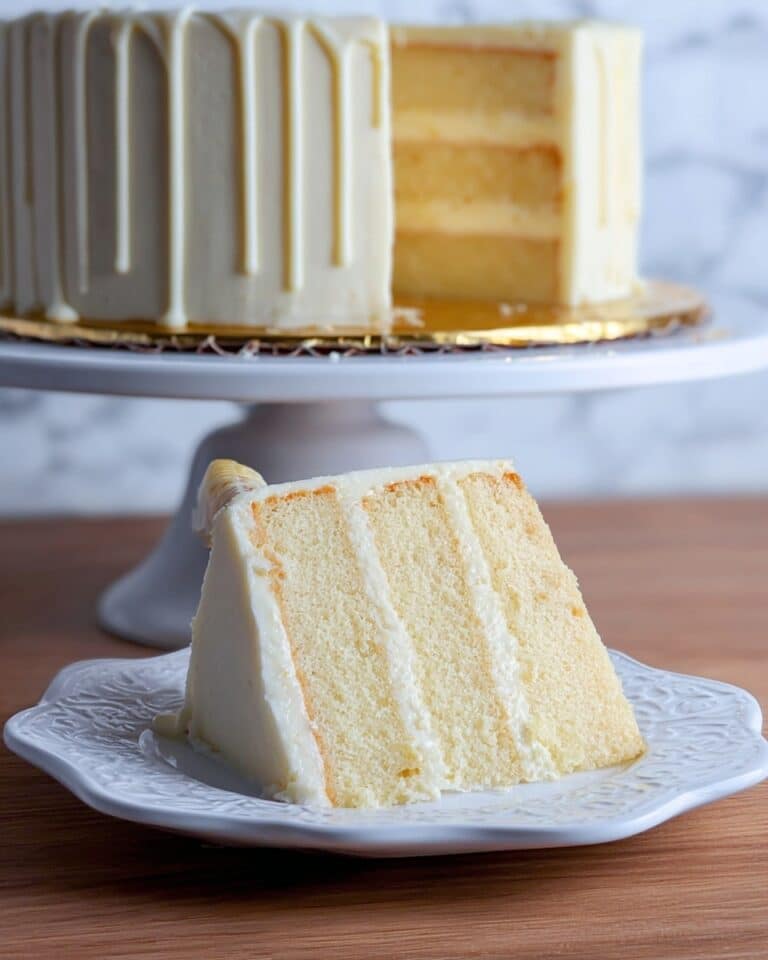
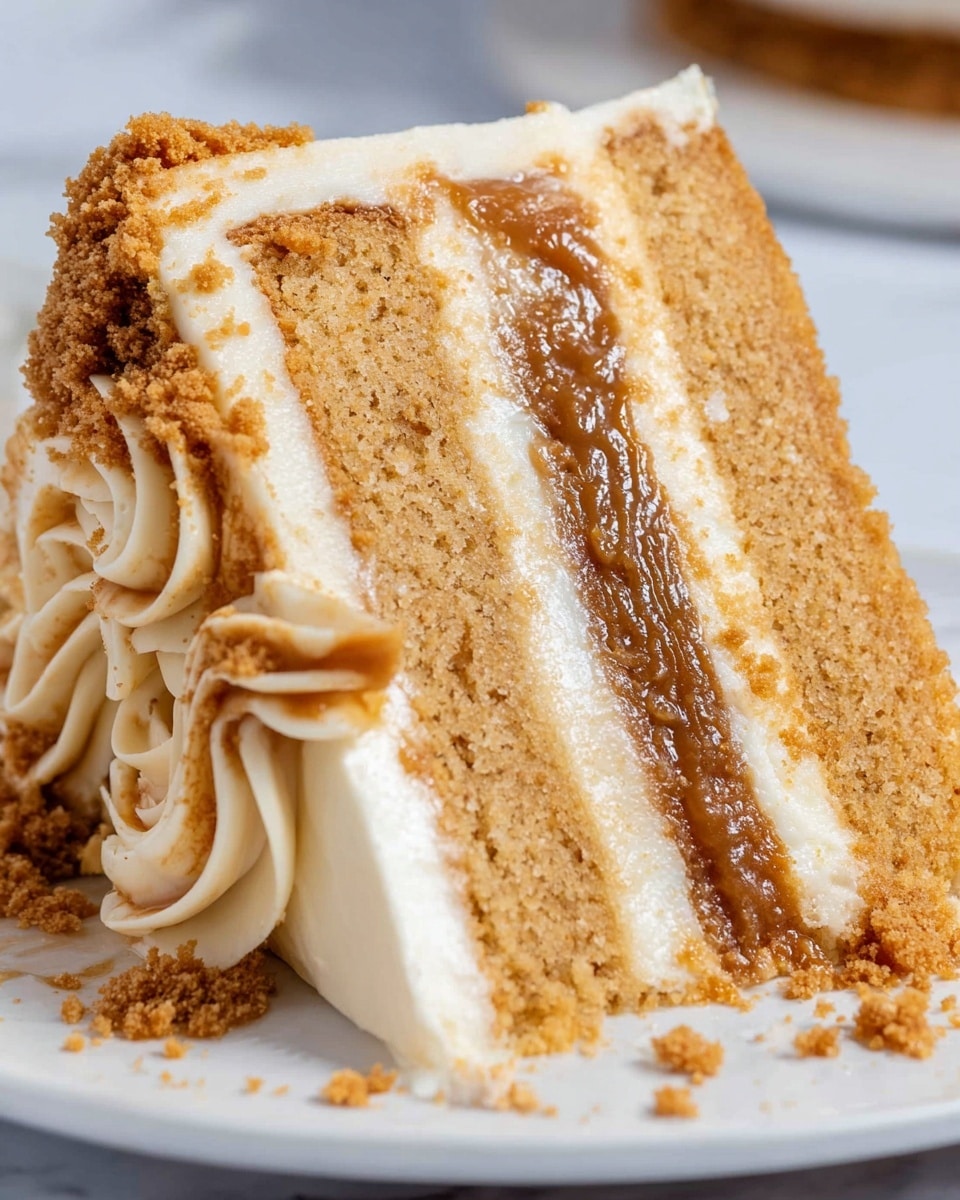
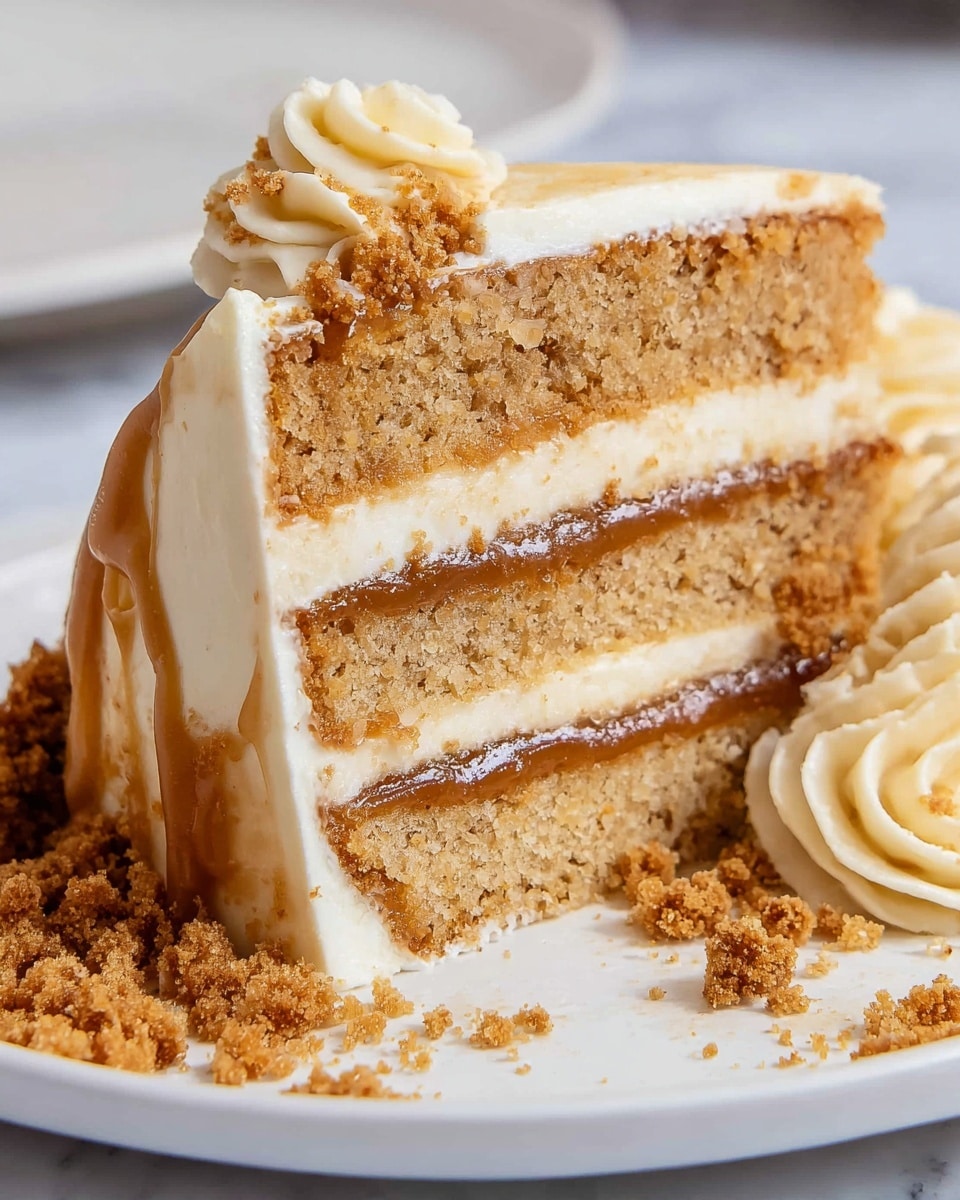
This Biscoff Cake is a delightful treat that combines soft, spiced cake layers with rich vanilla and cookie butter frostings. Featuring crushed Biscoff cookies for added crunch and flavor, it’s perfect for anyone who loves the unique taste of cookie butter in a show-stopping dessert.
Ingredients
- 3 cups all-purpose flour (375g)
- 1 cup granulated sugar (200g)
- 2 cups packed dark or light brown sugar (400g)
- 2 1/2 tsp baking powder (10g)
- 2 tsp ground cinnamon (5g)
- 1 tsp fine salt (6g)
- 1 cup (2 sticks) unsalted butter, room temperature (226g)
- 1 cup carton egg whites or 7 large egg whites, room temperature (240g)
- 1 1/2 cups buttermilk, room temperature (360g)
- 2 Tbsp vegetable or canola oil (28g)
- 2 tsp vanilla extract or vanilla bean paste (8g)
- 3 cups (6 sticks) unsalted butter, room temperature (678g) for frosting
- 1 Tbsp vanilla extract or vanilla bean paste (12g) for frosting
- 1 1/2 tsp fine salt (9g) for frosting
- 10 cups powdered sugar (1250g) for frosting
- 1/2 cup heavy whipping cream, room temperature (120g) for frosting
- 1 cup cookie butter (390g)
- 1/4 cup heavy whipping cream, room temperature (60g) for cookie butter frosting
- 12 Biscoff cookies (cut into small pieces)
- 1 cup cookie butter (390g) for drizzling
Instructions
- Step 1: Preheat your oven to 350°F (175°C). Line four 7-inch or three 8-inch cake pans with parchment rounds and grease them well with non-stick baking spray. Set aside.
- Step 2: In a large mixing bowl, combine the flour, granulated sugar, brown sugar, baking powder, cinnamon, and salt. Mix with a stand or hand mixer until fully combined.
- Step 3: Add 1 cup room-temperature unsalted butter to the dry ingredients. Mix on low speed until no large chunks remain and the mixture appears crumbly.
- Step 4: Pour in the egg whites and mix on low until just incorporated.
- Step 5: Add the buttermilk, vegetable oil, and vanilla extract. Mix on low speed until combined, then scrape down the bowl sides and beat at medium speed for 30 seconds for a smooth batter.
- Step 6: Divide the batter evenly among the prepared pans. Using a digital scale helps ensure each layer is the same height.
- Step 7: Bake for 33-35 minutes or until a toothpick inserted in the center comes out with a few moist crumbs. Rotate pans halfway through to ensure even baking.
- Step 8: Let the pans cool for 10 minutes, then run a small offset spatula around the edges to loosen the cakes.
- Step 9: Place the pans in the freezer for 30 minutes to speed up cooling. Once cooled, carefully invert pans to remove the cakes.
- Step 10: Just before assembling, level the cake tops with a serrated knife. If preparing ahead, wrap and freeze the layers. Thaw about 20 minutes before assembly keeping layers slightly cold.
- Step 11: To make the vanilla buttercream frosting, beat 3 cups unsalted butter on medium speed for 30 seconds until smooth. Add vanilla extract and salt; mix on low.
- Step 12: Gradually add powdered sugar, one cup at a time, mixing slowly. Halfway through, add 1/2 cup heavy cream to soften the frosting. Continue to mix until desired consistency is reached.
- Step 13: Adjust frosting thickness by adding more cream (1 Tbsp increments) if too thick or more powdered sugar (1/4 cup increments) if too thin.
- Step 14: Scoop out 2 cups of the vanilla frosting into a separate bowl for the cookie butter frosting. Cover remaining frosting to prevent crusting.
- Step 15: Stir 1 cup cookie butter and 1/4 cup heavy cream into the reserved buttercream until smooth. Cover and set aside.
- Step 16: To assemble, place a cake layer on a greaseproof cake board or plate using a dab of frosting to secure it.
- Step 17: Spread an even layer of vanilla frosting on the first layer and chill in the freezer for 5 minutes to set.
- Step 18: Spread a layer of cookie butter frosting over the vanilla. Drizzle 1/4 cup warm cookie butter on top. Continue layering until all cake layers are stacked.
- Step 19: Apply a thin crumb coat with frosting around the cake to seal in crumbs. Smooth with a bench scraper and chill in fridge for 20 minutes or freezer for 5 minutes until firm.
- Step 20: Apply a thicker, final layer of vanilla frosting and smooth it evenly.
- Step 21: Press chopped Biscoff cookies onto the sides of the cake, using larger pieces near the base and smaller ones higher up for a gradient effect.
- Step 22: Pipe a border around the cake top with remaining frosting and finish with a drizzle of warm cookie butter. Serve and enjoy!
Tips & Variations
- Use a digital scale to portion batter evenly for perfectly stacked layers.
- If you prefer a less sweet cake, reduce the brown sugar slightly.
- To deepen the cinnamon flavor, toast the spices briefly before mixing.
- For a dairy-free option, substitute plant-based buttermilk and butter alternatives.
- Leftover cookie butter frosting can be used as a dip for apple slices or spread on toast.
Storage
Store the assembled cake covered in the refrigerator for up to 4 days. For longer storage, freeze the cake wrapped tightly in plastic wrap and foil for up to 2 weeks. Thaw in the refrigerator overnight before serving. Reheat cookie butter drizzles slightly if thickened before use.
How to Serve
Serve this delicious recipe with your favorite sides.
FAQs
Can I use regular whole eggs instead of egg whites?
Yes, you can use whole eggs, but the texture and rise of the cake may be slightly different. Egg whites help create a lighter, more tender crumb.
How do I prevent the frosting from becoming too runny?
Ensure the butter and cream are at the correct room temperature and add powdered sugar gradually. If frosting becomes too soft, chill it briefly in the fridge and beat again before use.
PrintBiscoff Cake Recipe
This decadent Biscoff Cake combines moist spiced cake layers infused with cinnamon and a hint of vanilla, layered with luscious homemade vanilla buttercream and cookie butter frosting. Finished with crunchy Biscoff cookie pieces and a warm cookie butter drizzle, this cake offers a delightful blend of creamy, crunchy, and warming spice flavors perfect for any special occasion or dessert craving.
- Prep Time: 30 minutes
- Cook Time: 35 minutes
- Total Time: 2 hours
- Yield: 12 servings 1x
- Category: Dessert
- Method: Baking
- Cuisine: American
Ingredients
Cake Layers
- 3 cups all-purpose flour (375g)
- 1 cup granulated sugar (200g)
- 2 cups packed dark or light brown sugar (400g)
- 2 1/2 tsp baking powder (10g)
- 2 tsp ground cinnamon (5g)
- 1 tsp fine salt (6g)
- 1 cup (2 sticks) unsalted butter, room temperature (226g)
- 1 cup carton egg whites or 7 large egg whites, room temperature (240g)
- 1 1/2 cups buttermilk, room temperature (360g)
- 2 Tbsp vegetable or canola oil (28g)
- 2 tsp vanilla extract or vanilla bean paste (8g)
Vanilla Buttercream Frosting
- 3 cups (6 sticks) unsalted butter, room temperature (678g)
- 1 Tbsp vanilla extract or vanilla bean paste (12g)
- 1 1/2 tsp fine salt (9g)
- 10 cups powdered sugar (1250g)
- 1/2 cup heavy whipping cream, room temperature (120g)
Cookie Butter Frosting
- 2 cups reserved vanilla buttercream frosting (from above)
- 1 cup cookie butter (390g)
- 1/4 cup heavy whipping cream, room temperature (60g)
Decoration
- 12 Biscoff cookies, cut into small pieces
- 1 cup cookie butter (390g), warmed for drizzling
Instructions
- Prepare Cake Pans: Preheat your oven to 350°F (175°C). Line four 7-inch or three 8-inch cake pans with parchment rounds and grease with non-stick baking spray to prevent sticking.
- Mix Dry Ingredients: In a stand mixer or with a hand mixer, combine the flour, granulated sugar, brown sugar, baking powder, cinnamon, and salt until evenly mixed.
- Add Butter: Incorporate 1 cup of unsalted butter into the dry mixture on low speed. Mix until no large butter chunks remain and the mixture looks crumbly.
- Add Egg Whites: Slowly mix in the egg whites on low speed until just incorporated.
- Add Wet Ingredients: Add buttermilk, vegetable oil, and vanilla extract; mix on low until combined, scraping the bowl as needed. Then beat on medium speed for 30 seconds for an even batter.
- Portion Batter: Evenly divide the batter into the prepared pans using a digital scale for uniform layers.
- Bake Cake Layers: Bake for 33-35 minutes, rotating the pans halfway through. Test doneness with a toothpick—it should come out with a few moist crumbs.
- Cool Layers: Let pans cool for 10 minutes, then loosen the cake edges with an offset spatula. Freeze the layers for 30 minutes to speed cooling, then remove the cakes from pans and level tops if needed.
- Make Vanilla Buttercream: Beat 3 cups butter on medium speed for 30 seconds until smooth. Add vanilla and salt, then gradually add powdered sugar adding half the cream midway. Mix until desired consistency. Adjust with cream or sugar if needed. Reserve 2 cups for cookie butter frosting.
- Make Cookie Butter Frosting: Stir cookie butter and heavy cream into the reserved buttercream until smooth.
- Assemble Cake: Secure your first cake layer to a cake board with a little frosting. Spread vanilla buttercream, chill 5 minutes. Add cookie butter frosting layer, drizzle warmed cookie butter on top. Repeat for remaining layers.
- Crumb Coat: Apply a thin frosting layer all around the cake to seal crumbs. Smooth with a bench scraper and chill until firm (20 minutes in fridge or 5 in freezer).
- Final Frosting: Apply a thicker, smooth layer of vanilla buttercream and smooth again with a bench scraper.
- Decorate: Press chopped Biscoff cookies around the cake creating a gradient with larger pieces at the base and smaller bits higher up.
- Pipe & Finish: Pipe a border on top using remaining frosting and drizzle warm cookie butter over the top. Serve and enjoy!
Notes
- Ensure all ingredients are at room temperature for best mixing and texture.
- You can freeze cake layers for up to a month; thaw slightly before assembling.
- If frosting is too thick, add cream 1 tbsp at a time; if too thin, add powdered sugar in 1/4 cup increments.
- Use a serrated knife to level cakes for even stacking and a professional look.
- For a richer flavor, warm cookie butter slightly before drizzling for better flow.
Keywords: Biscoff cake, cookie butter cake, cinnamon cake, vanilla buttercream, layered cake, dessert, spiced cake